Onzai

Scroll

00

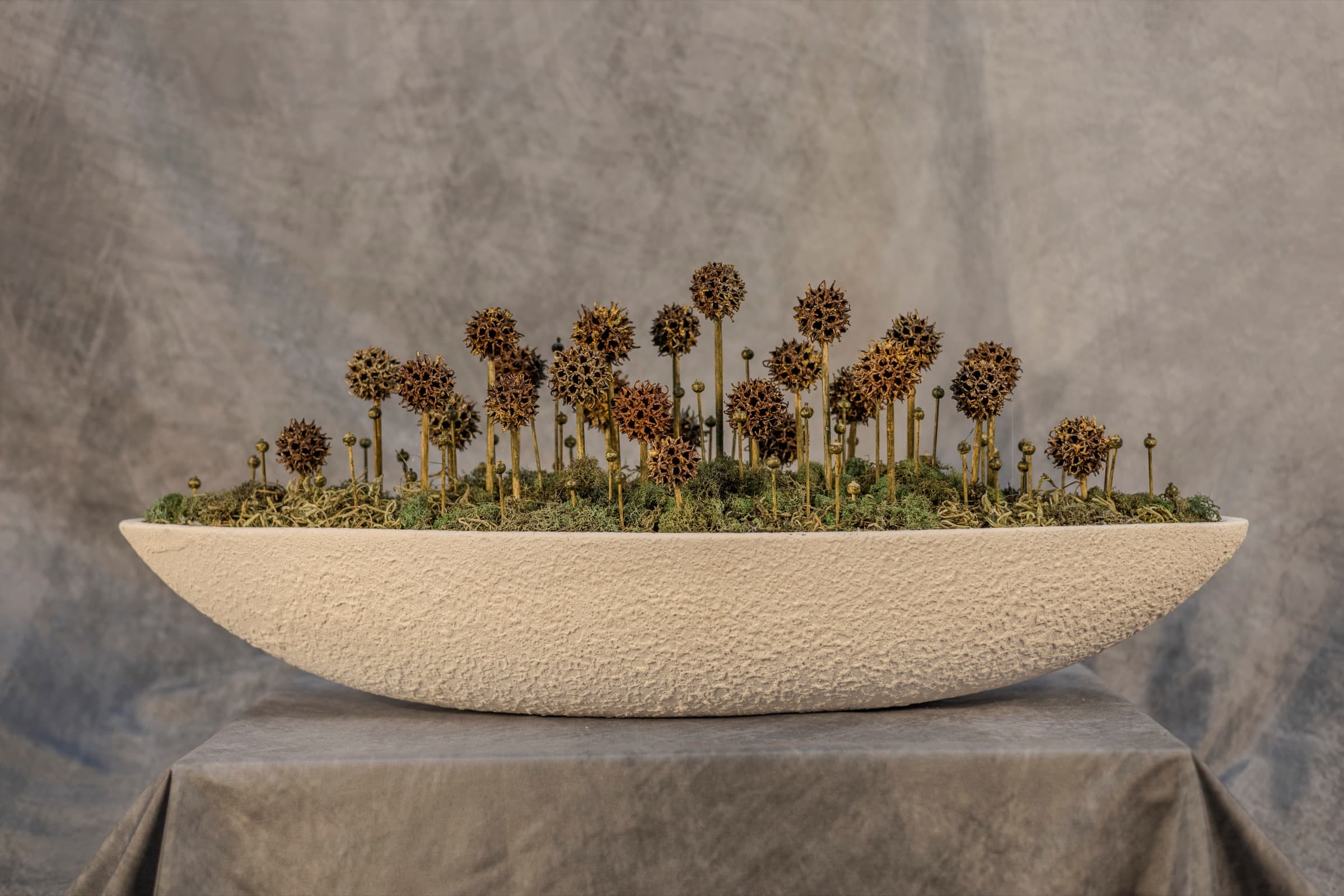
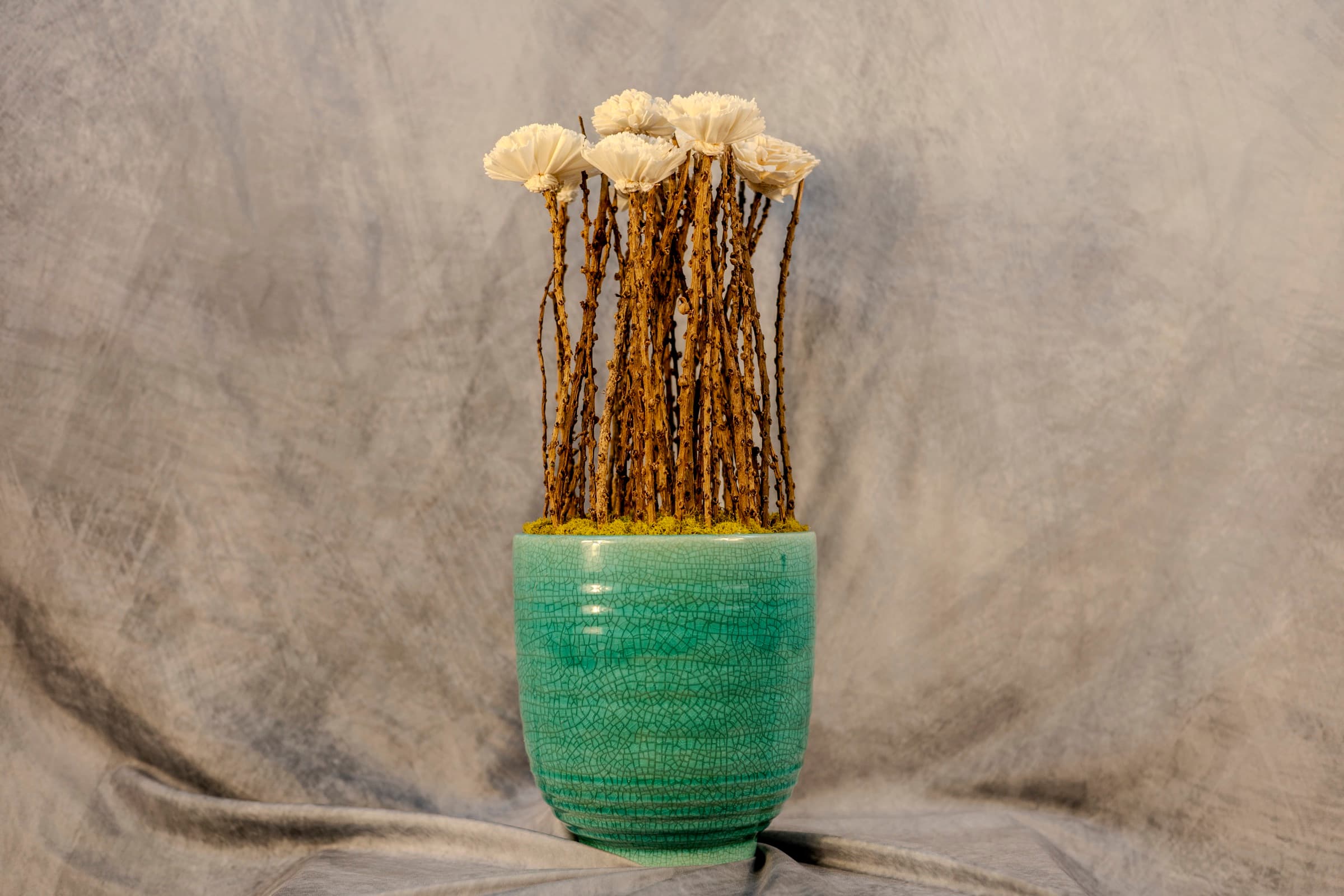
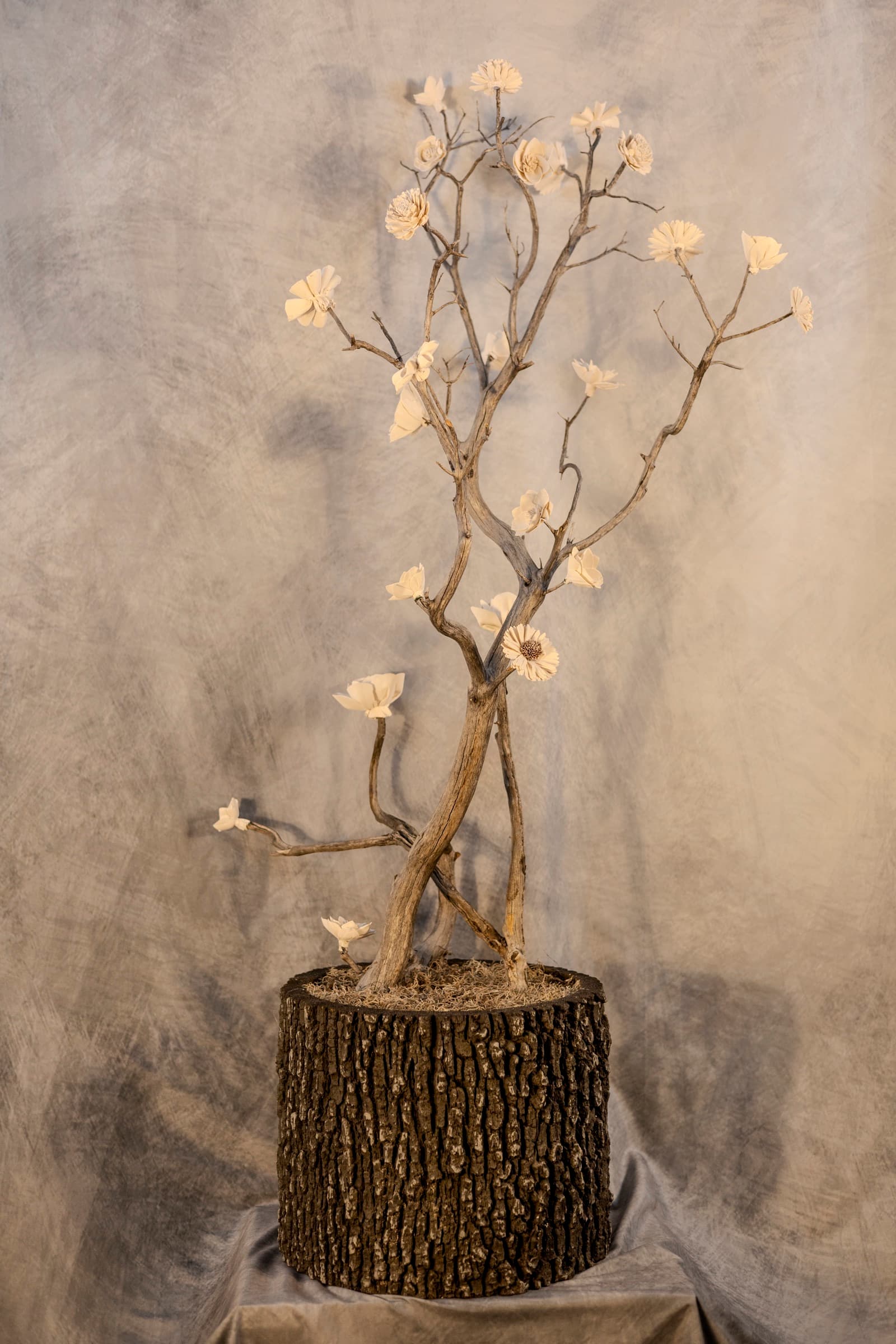
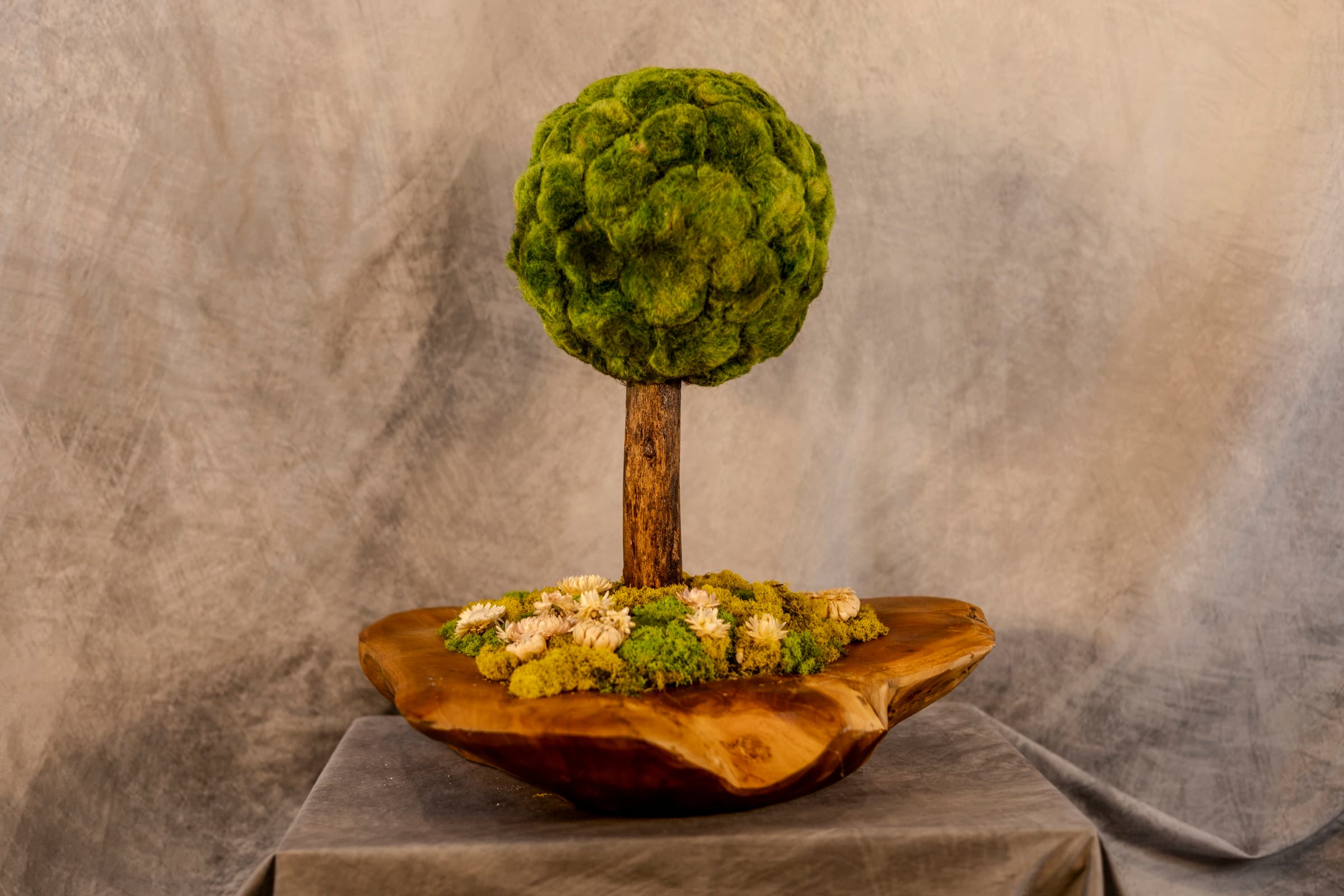
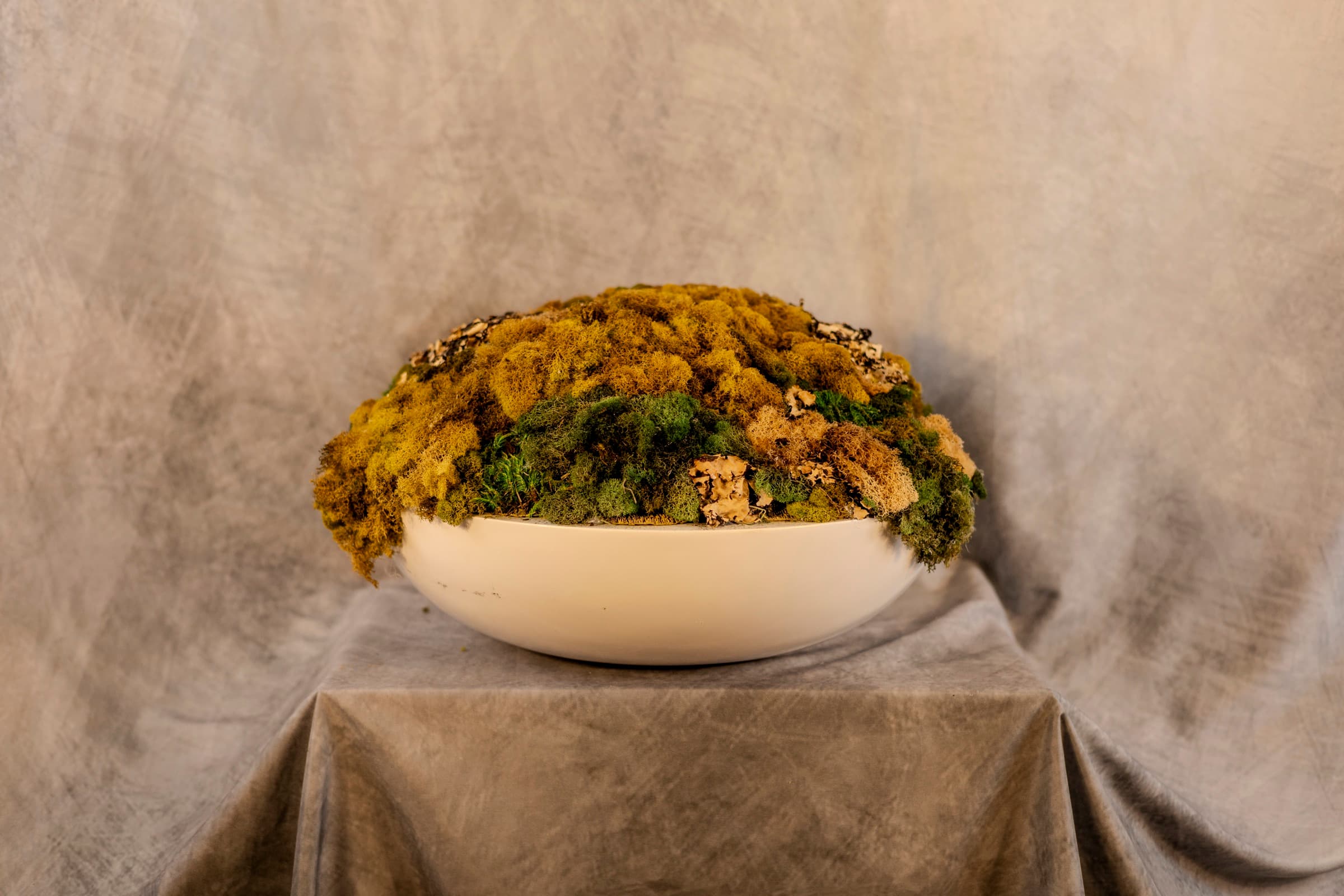
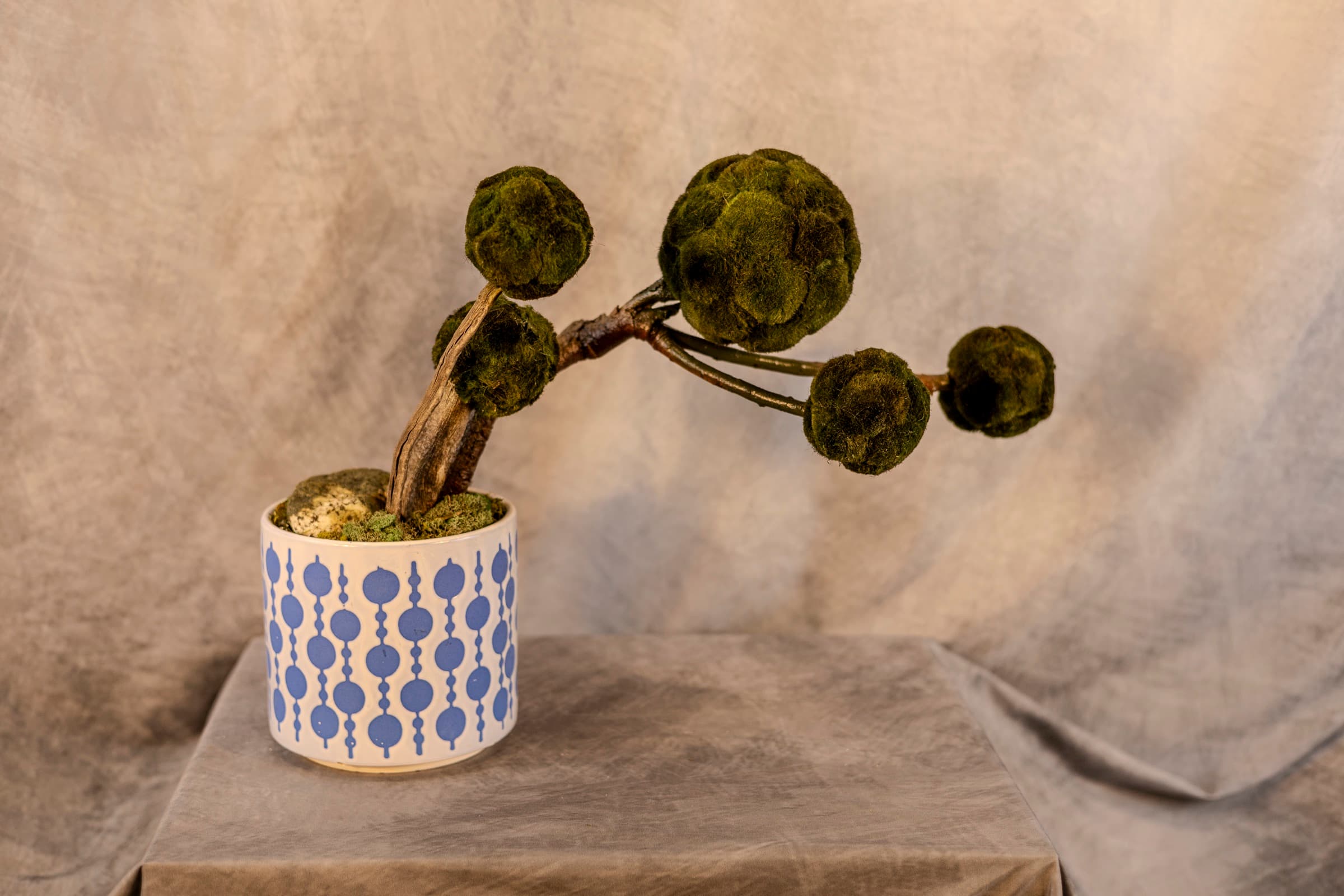
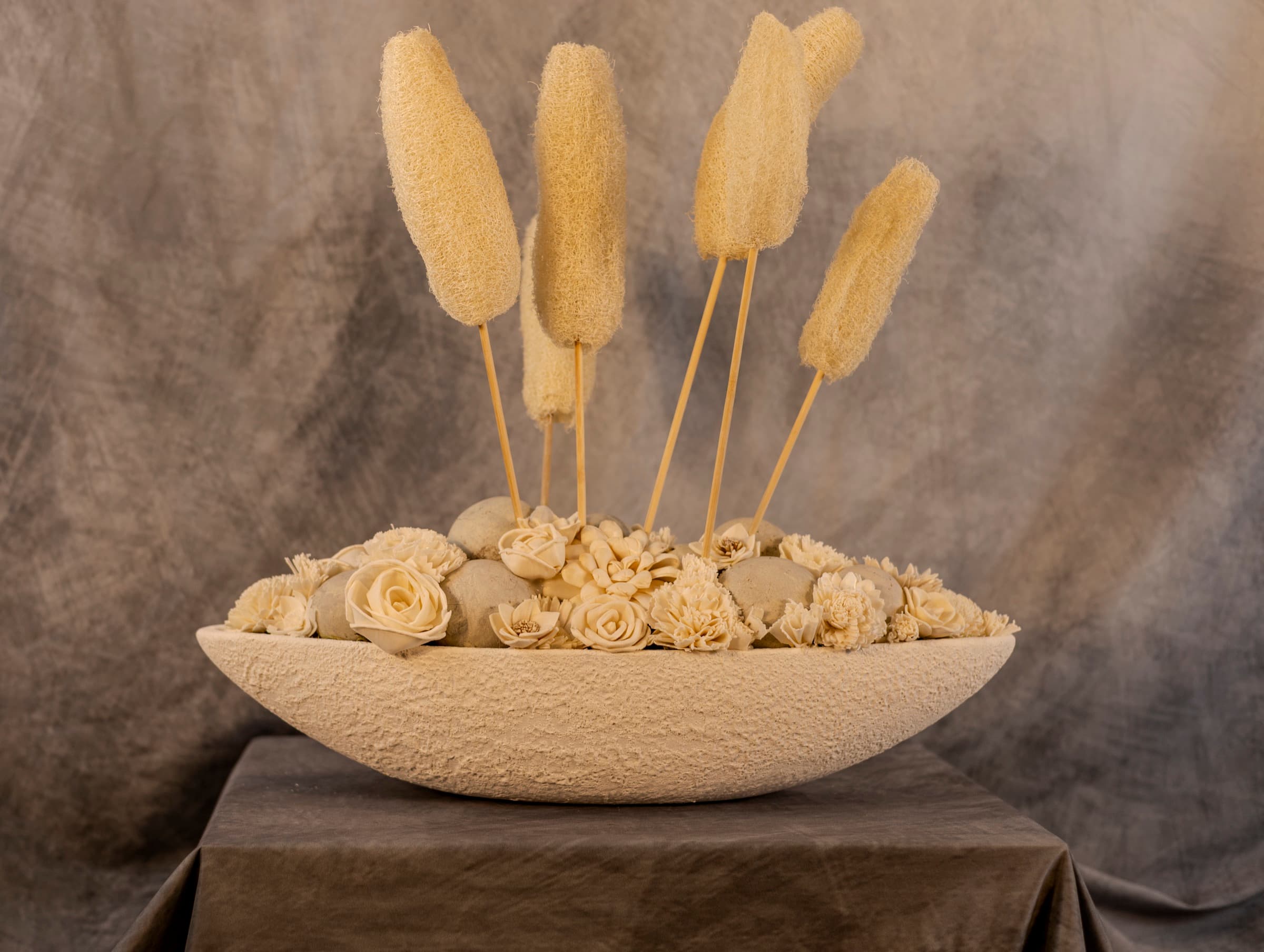
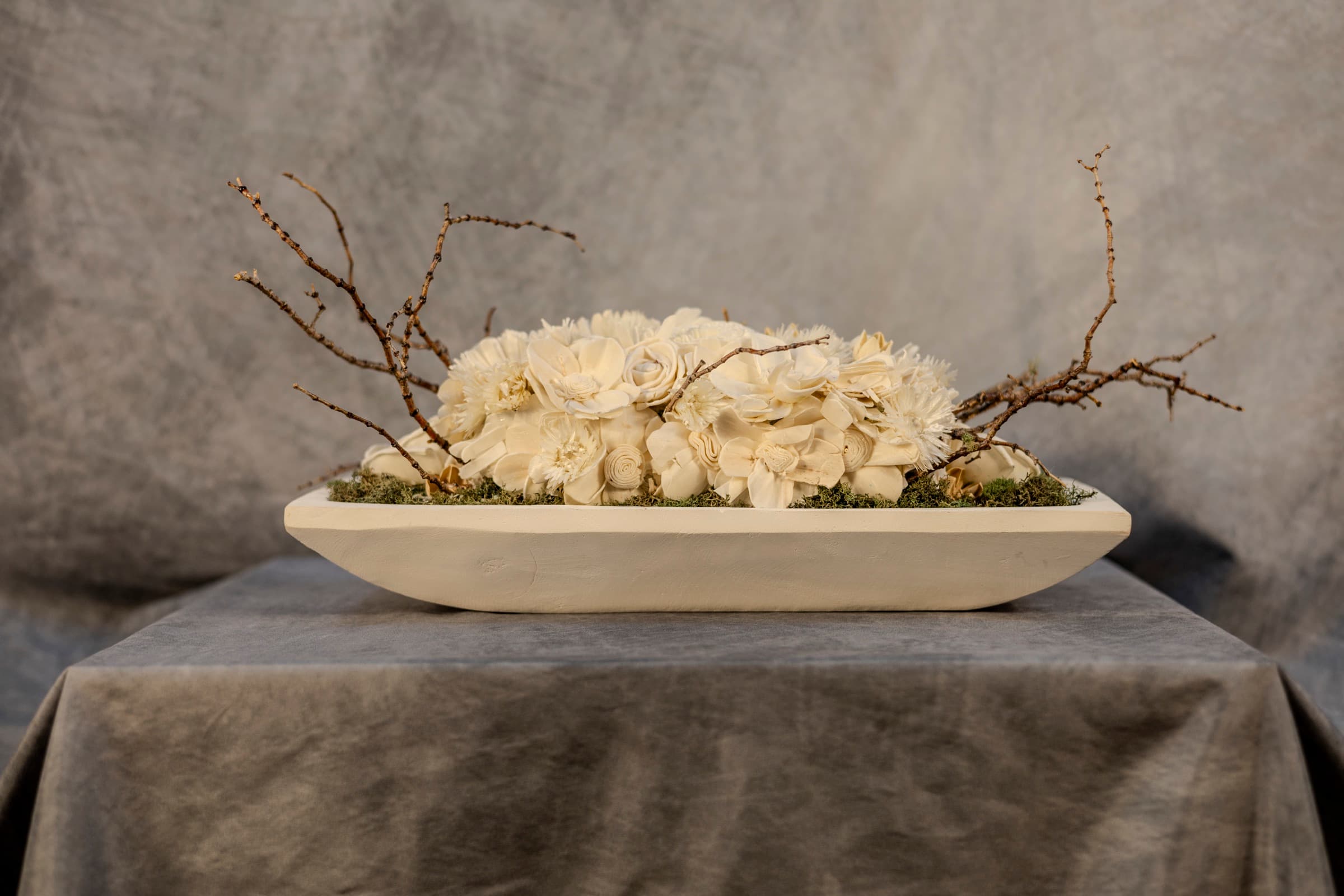
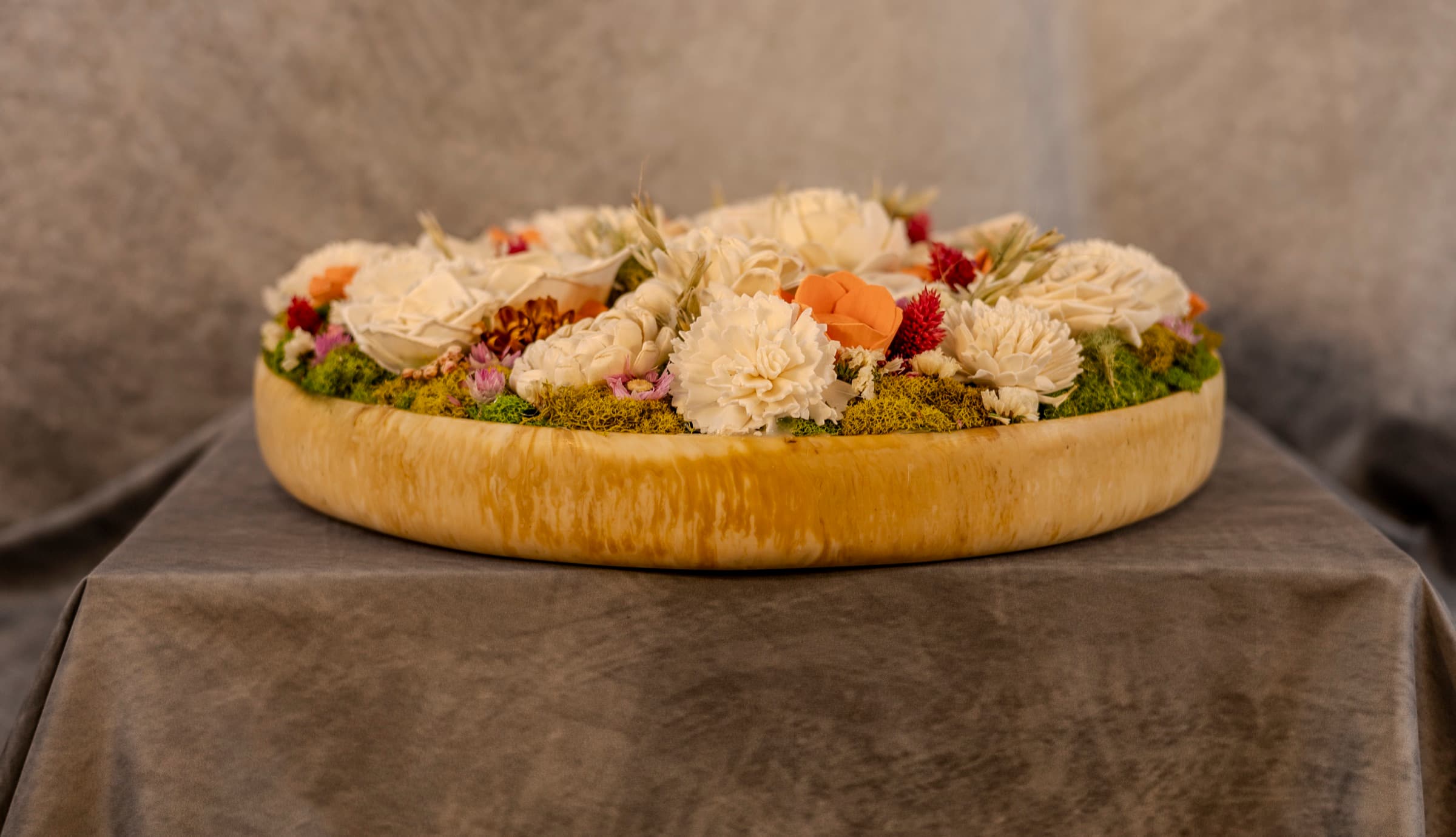
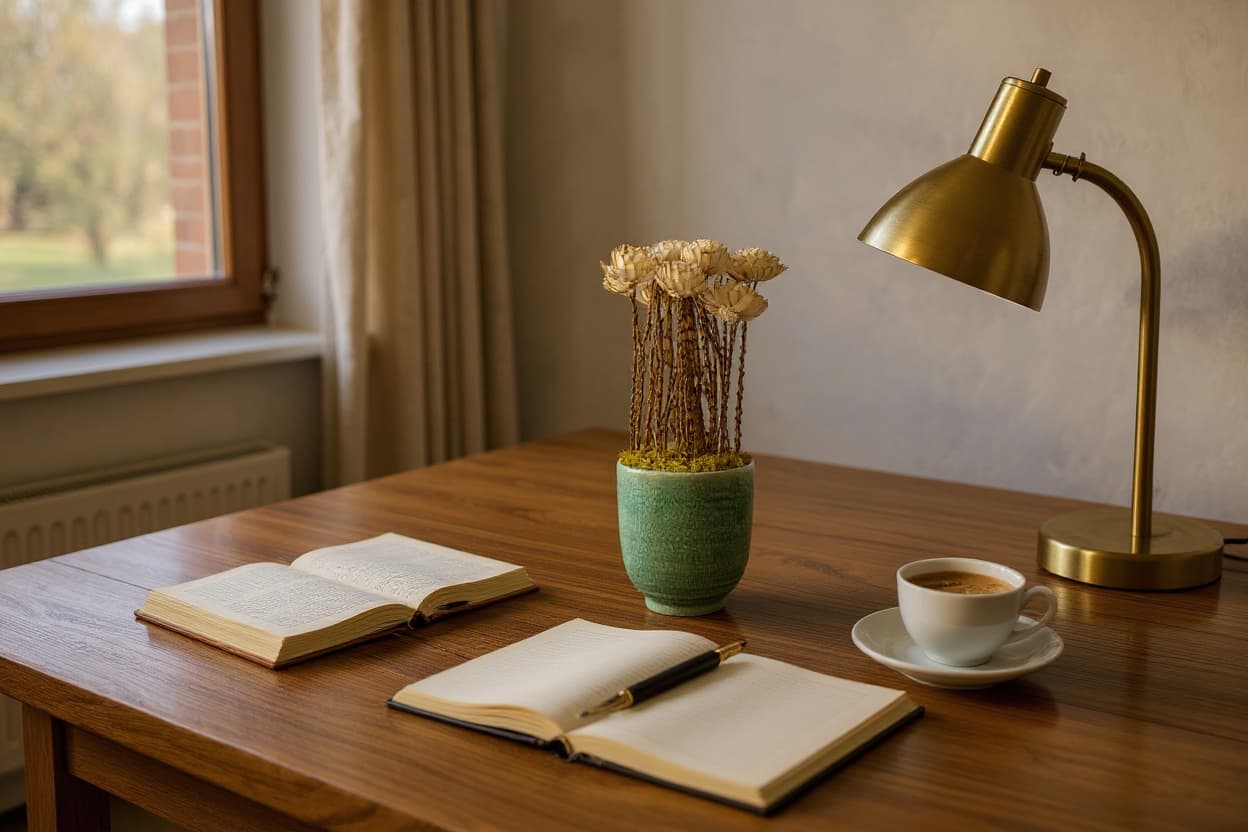
Onzai composes found objects in formal relationship. Branches, moss, stone, seed pod, sola flower, gathered and arranged in a single vessel. Each piece draws from stumpery, bonsai, and flower arrangement without being bound by any of them.

Meadows

01 / 05

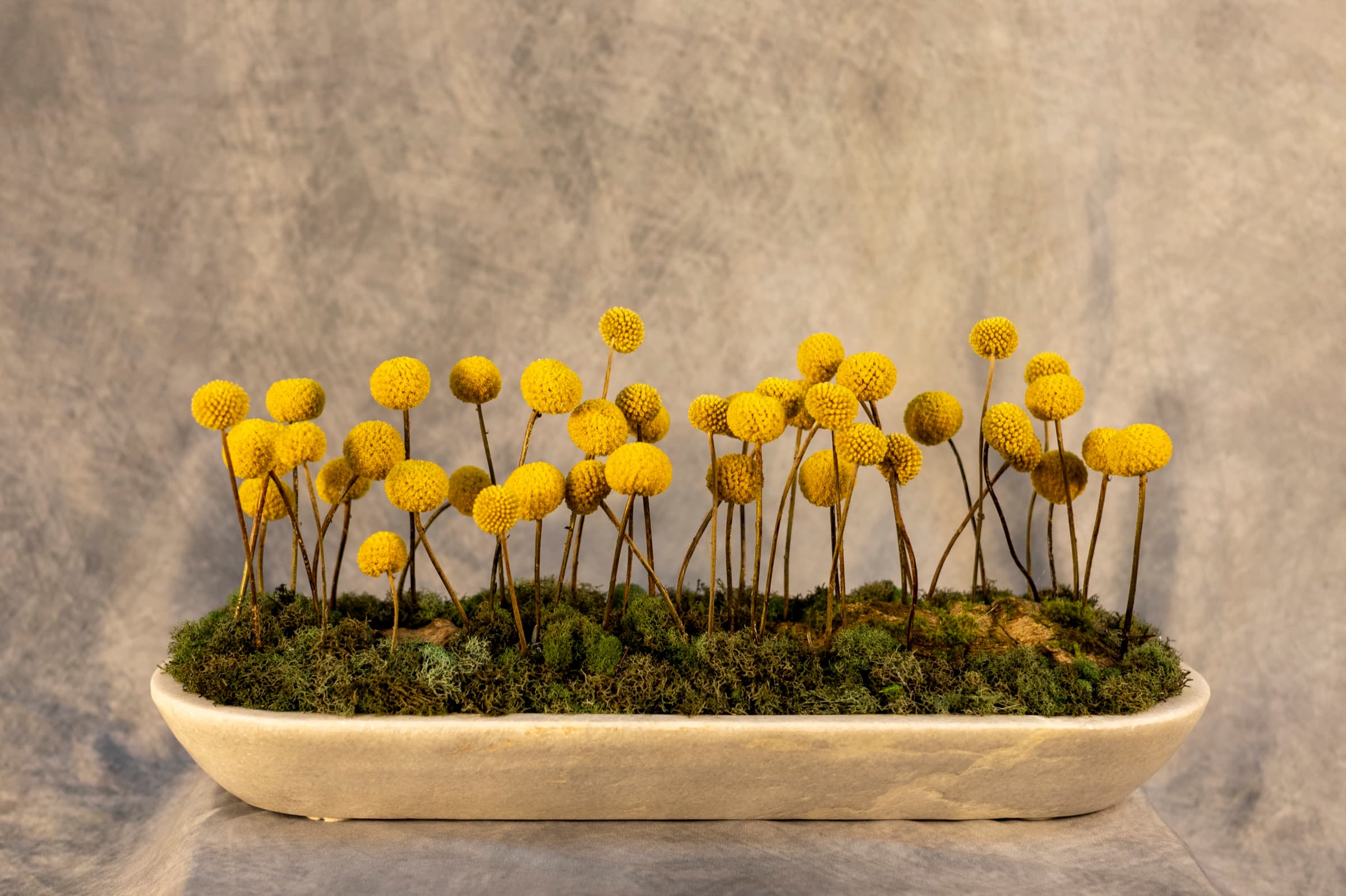
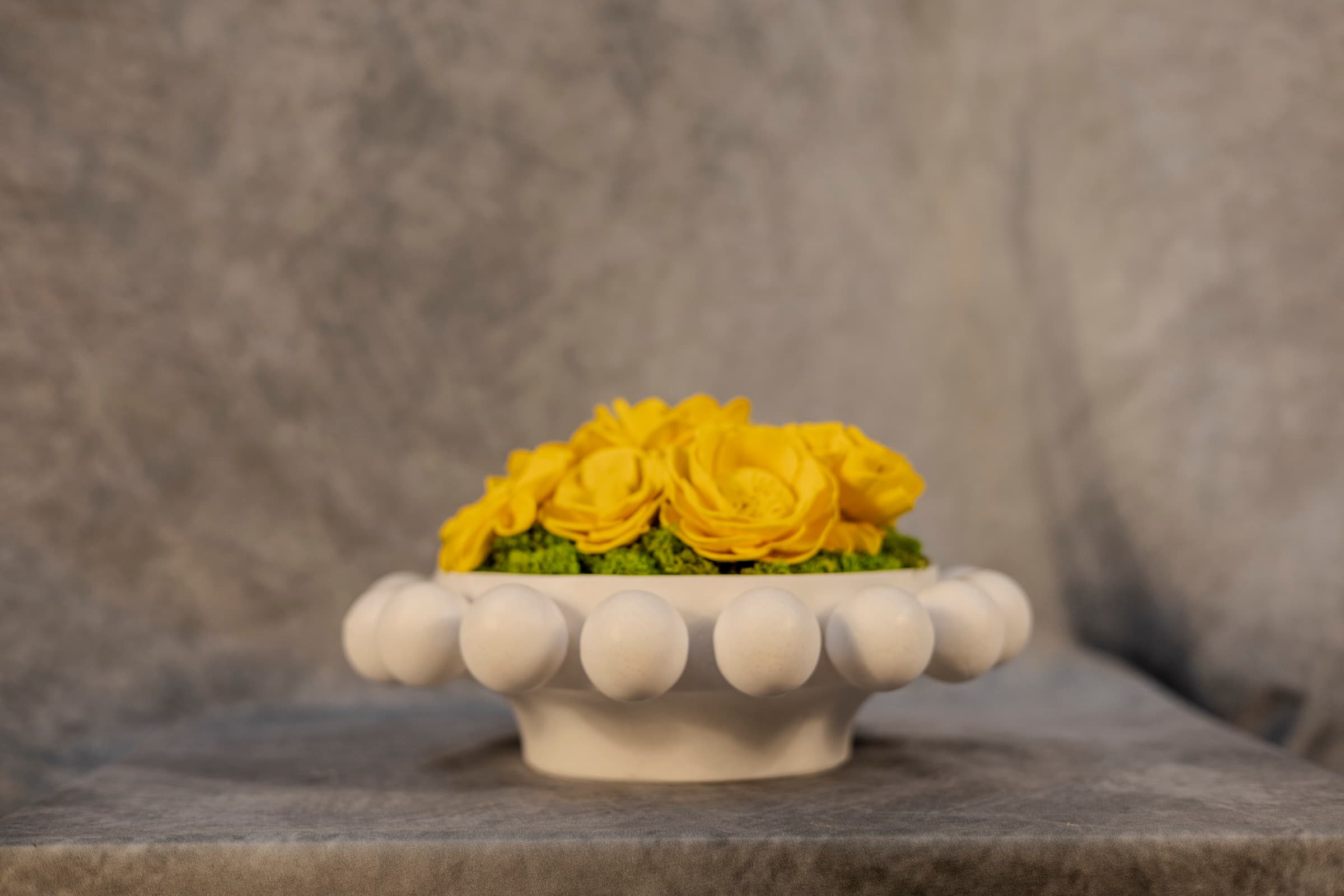
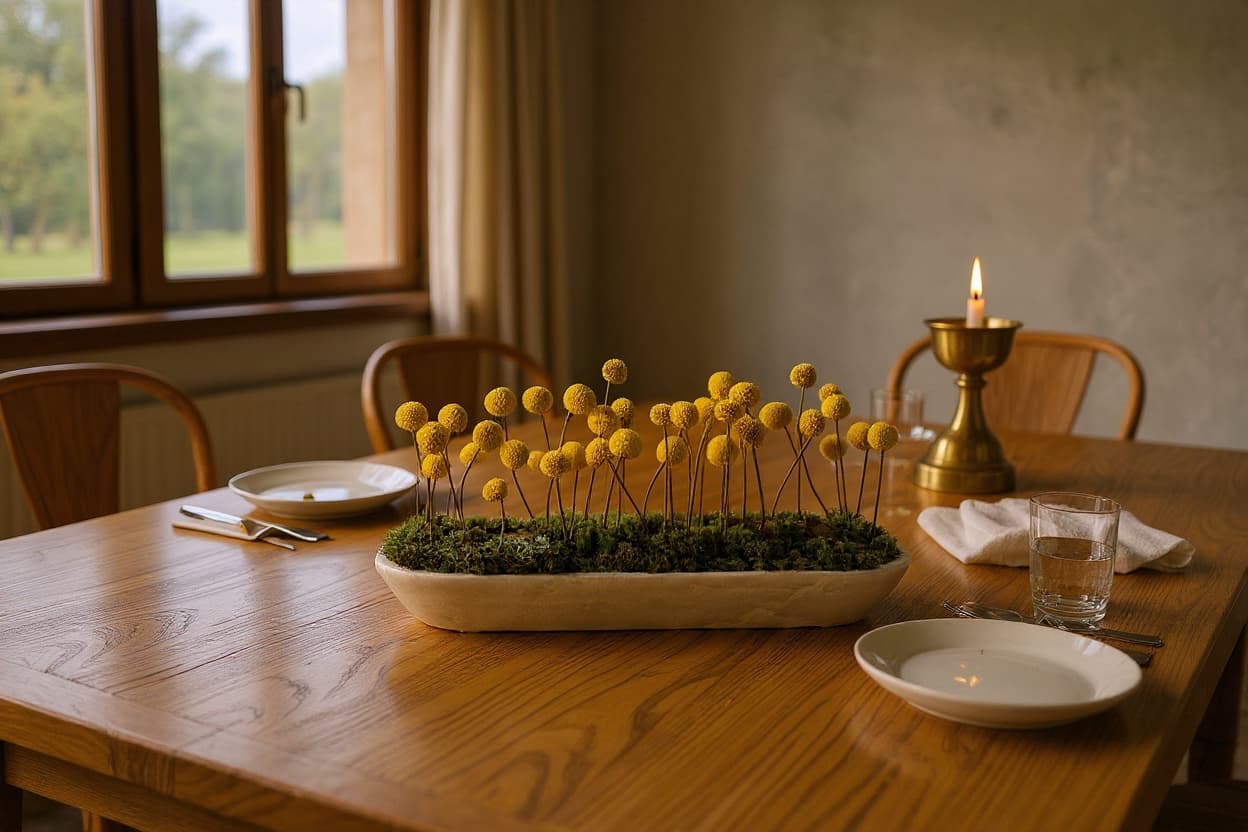
Fields of small heads, dense and even.

A field of small bright heads, gathered into a single low vessel. These pieces work in repetition and in mass, in the architecture of many small things held at the same level.

  • Elysium
  • Hana-akari
  • Pomona
Constellations

02 / 05

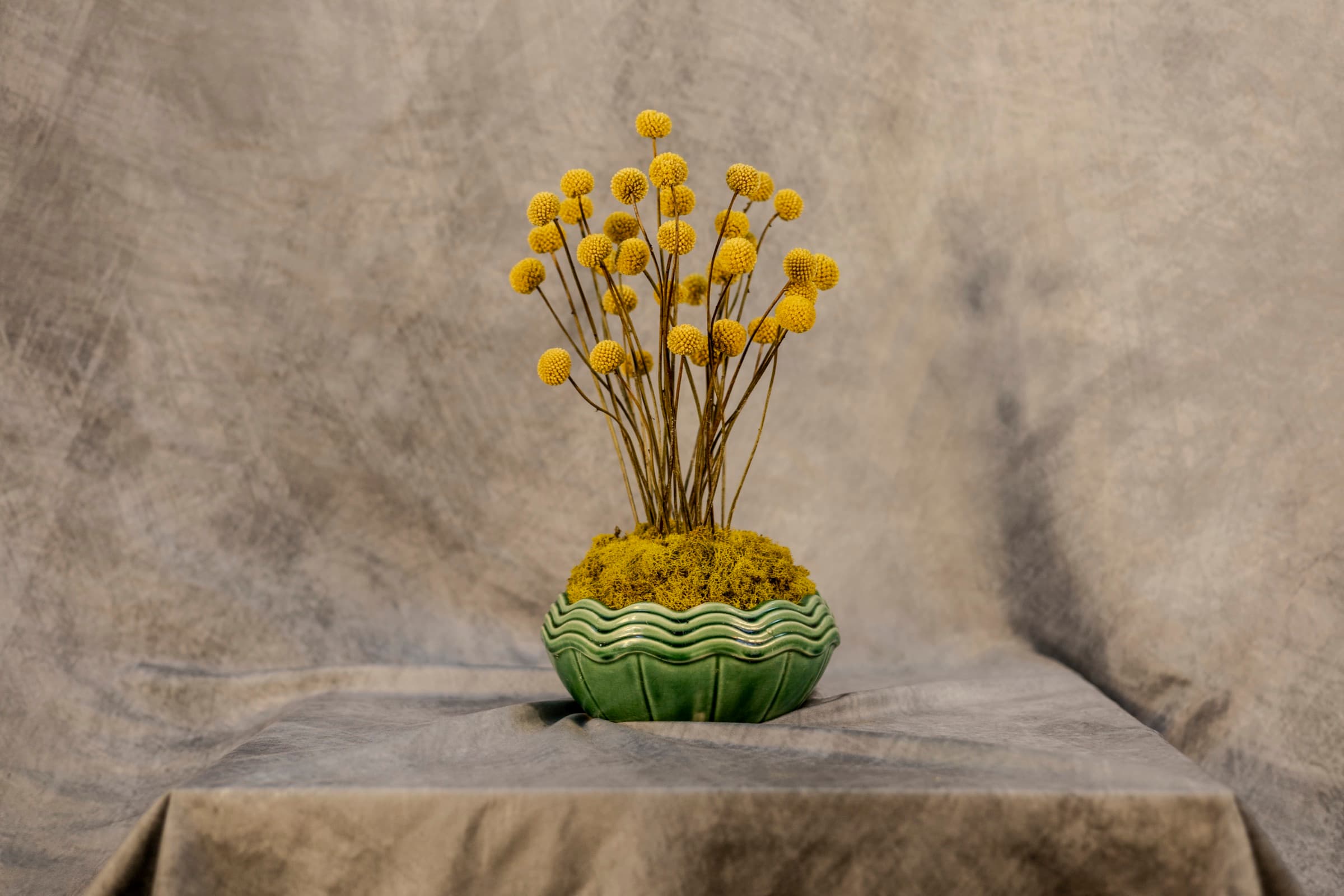
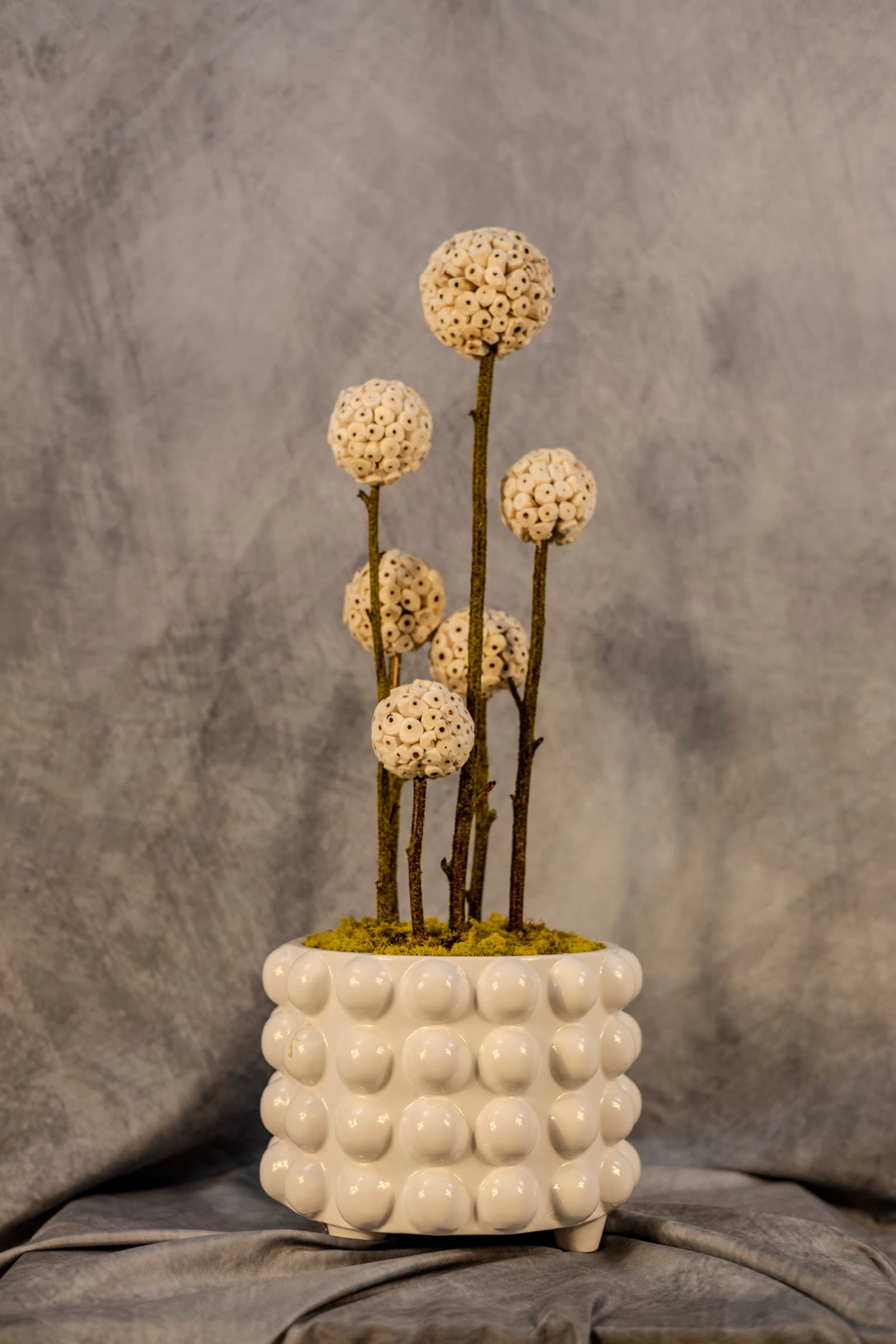
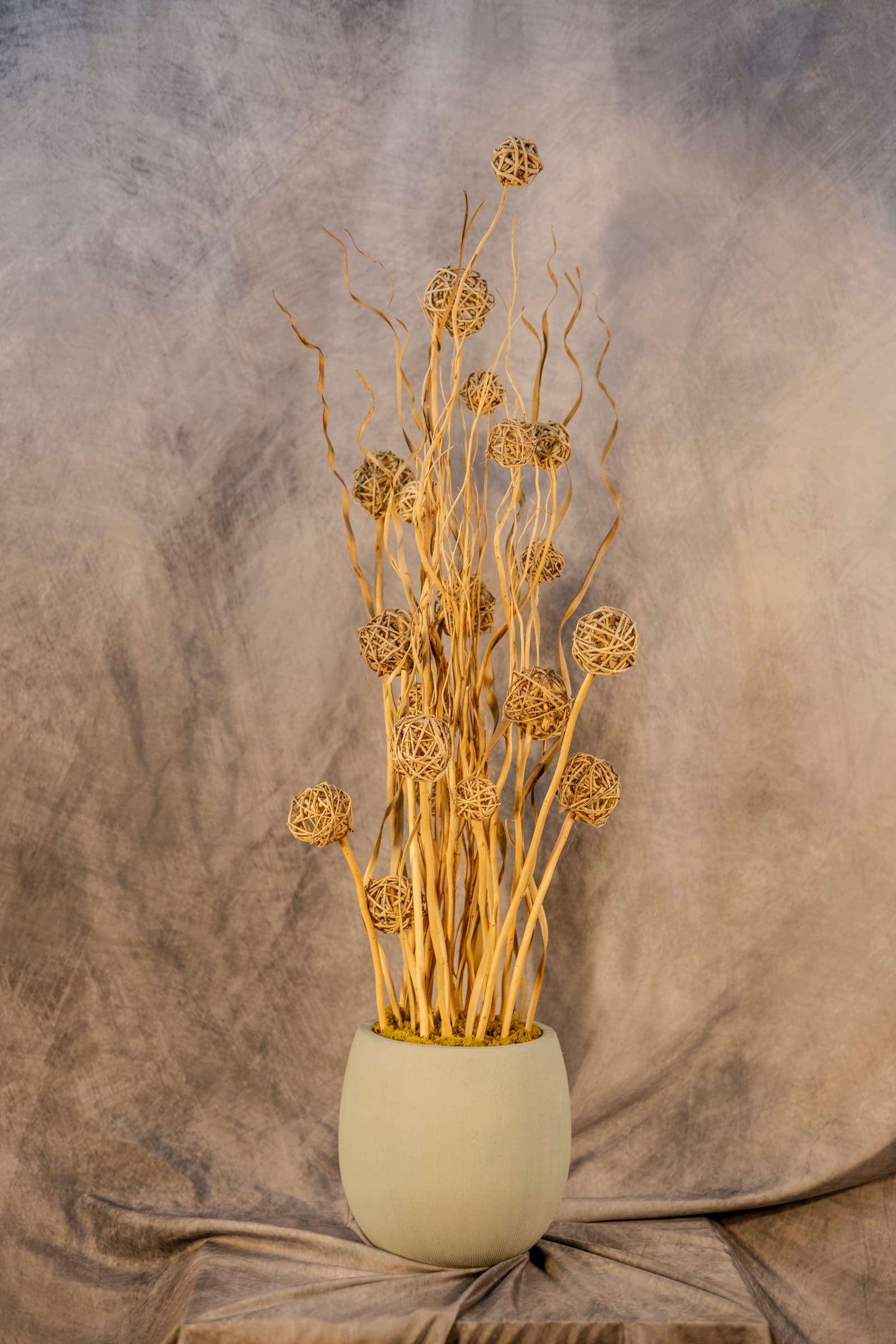
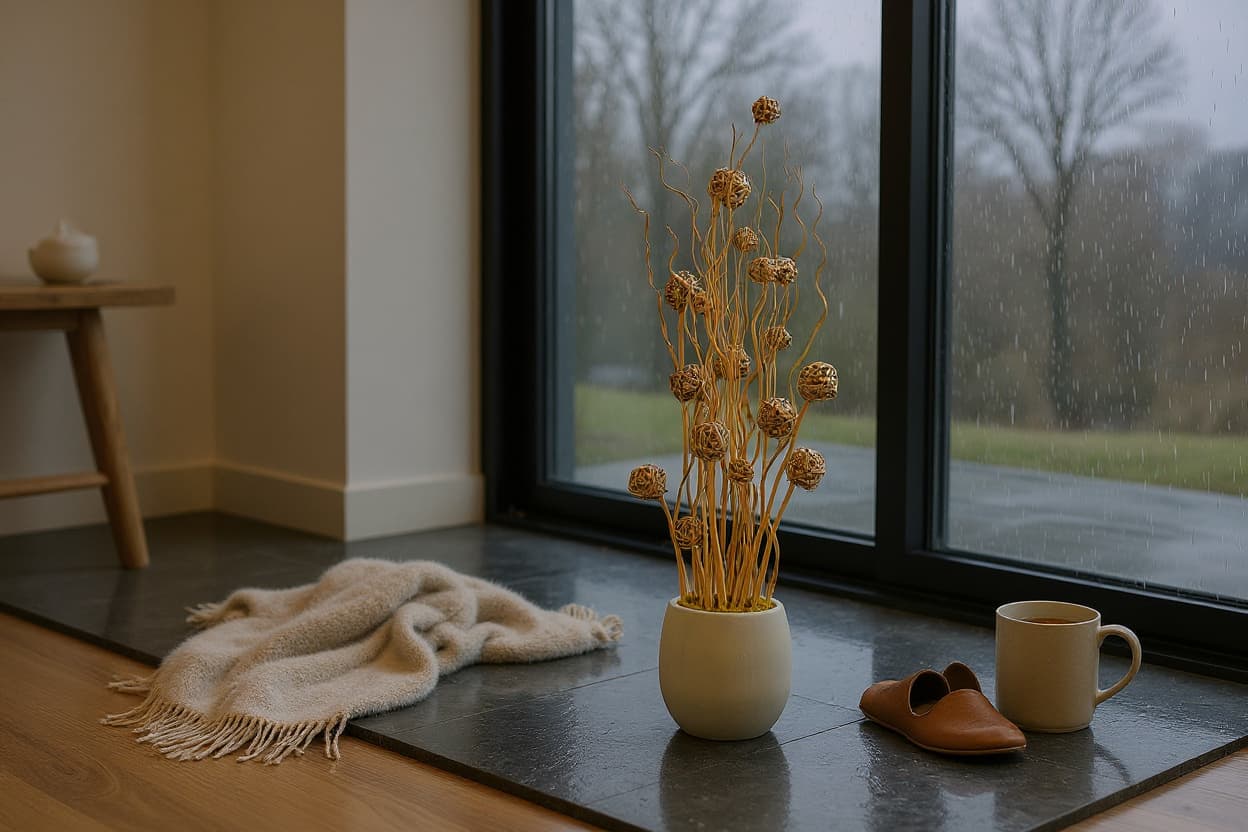
Spheres on stems, points in air.

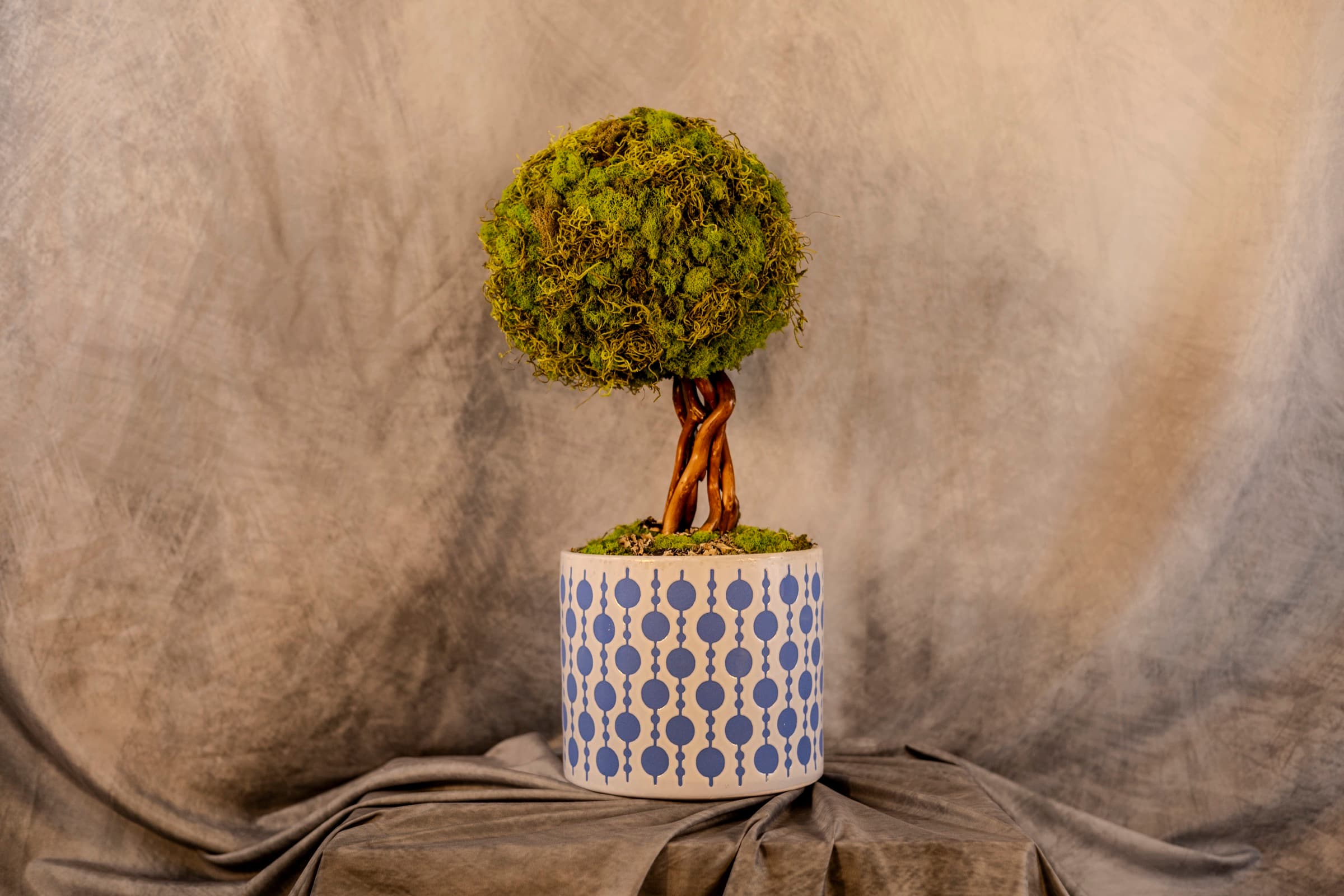
Seedpods, woven spheres, and round forms held on stems above their vessels. The composition is verticals and points, the orbit of small bodies around a center. A figure made of many.

  • Tartarus
  • Kore
  • Verdancy
  • Folly
Skeletons

03 / 05

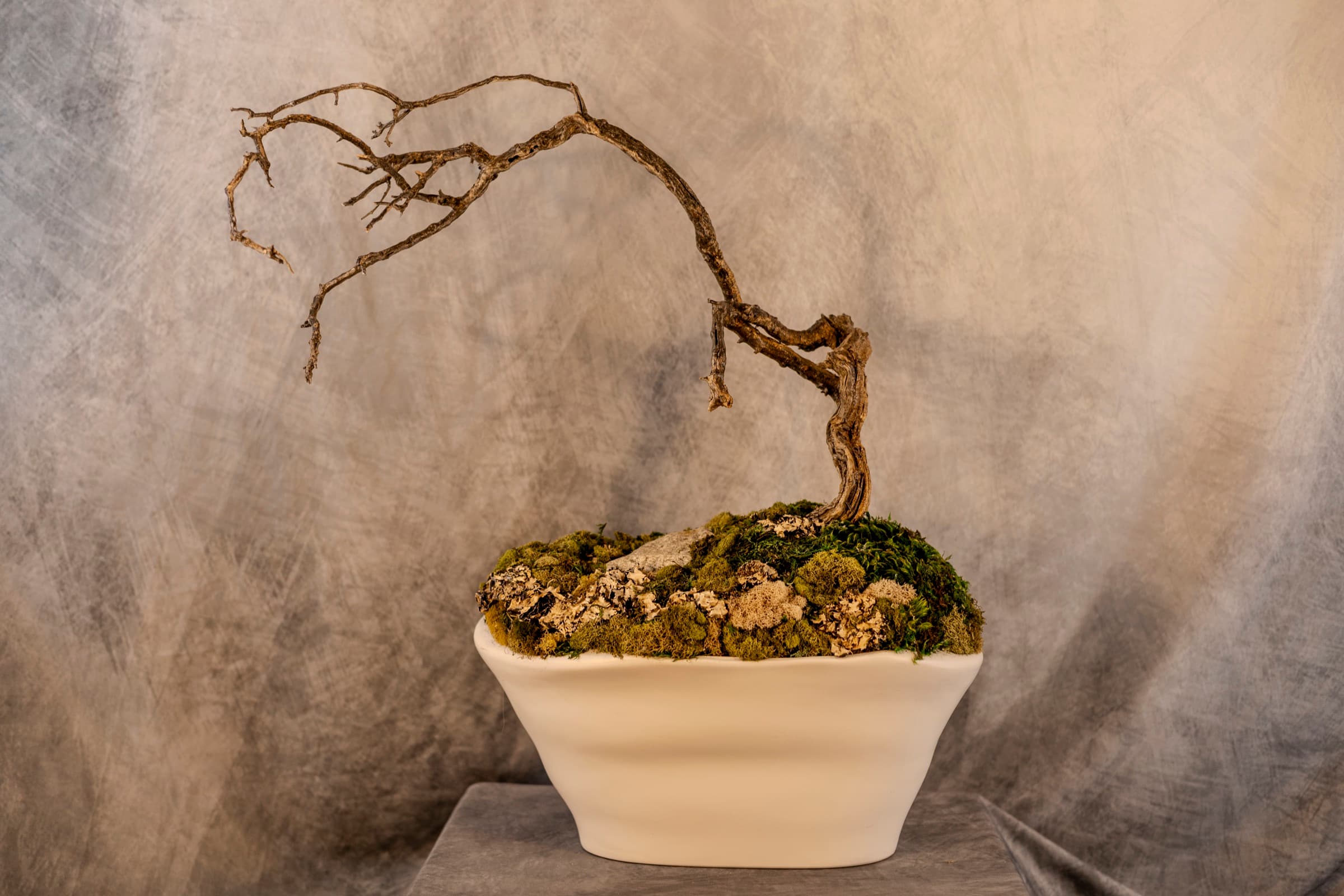
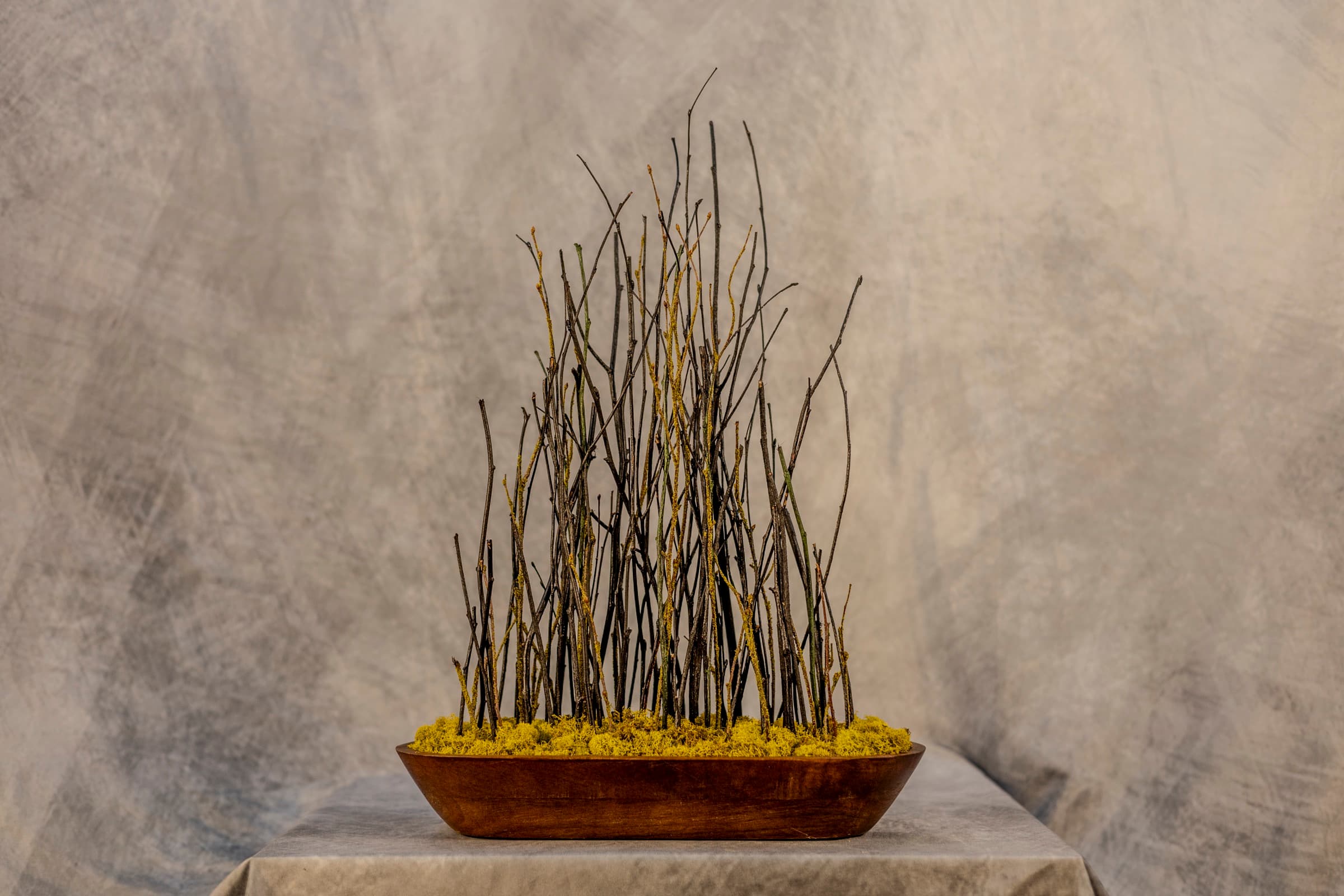
Lines and silhouettes, kept exactly as found.

These pieces are about structure. Bare branches, dark twigs, a single arc of manzanita. The forms are honest, the silhouettes precise, the lines kept exactly as found.

  • Chthon
  • Boneyard
  • Kodama
  • Terminus
Mossworks

04 / 05

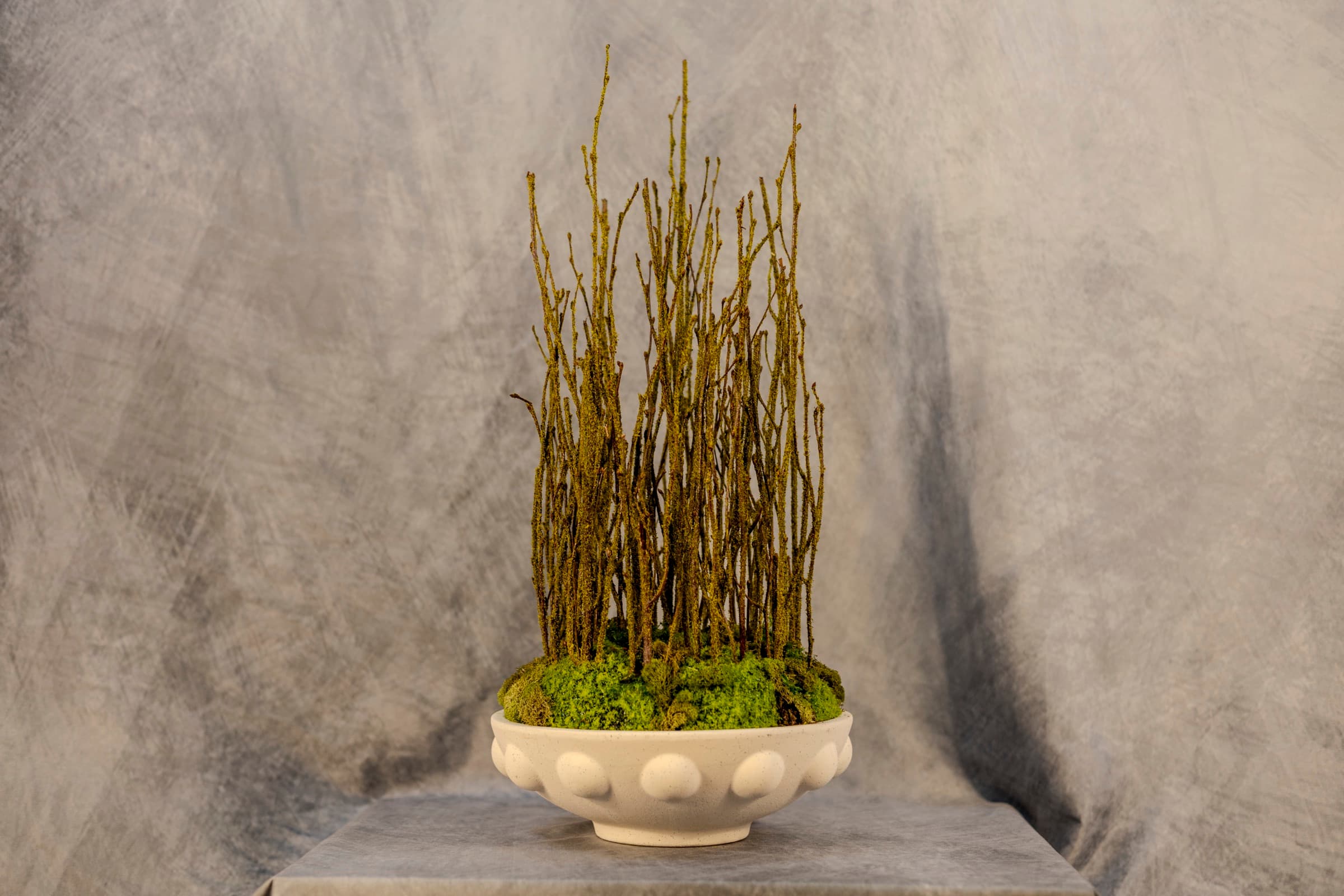
Moss as subject, mass as form.

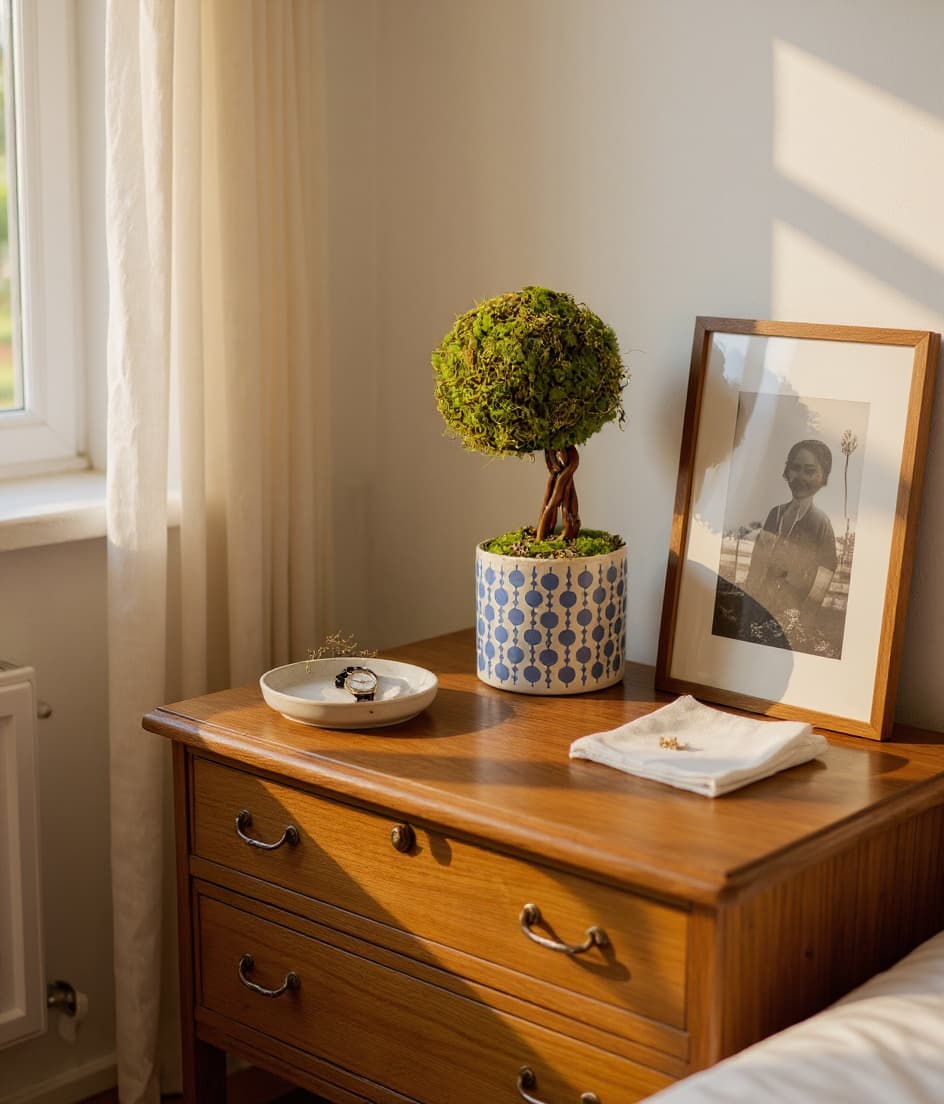
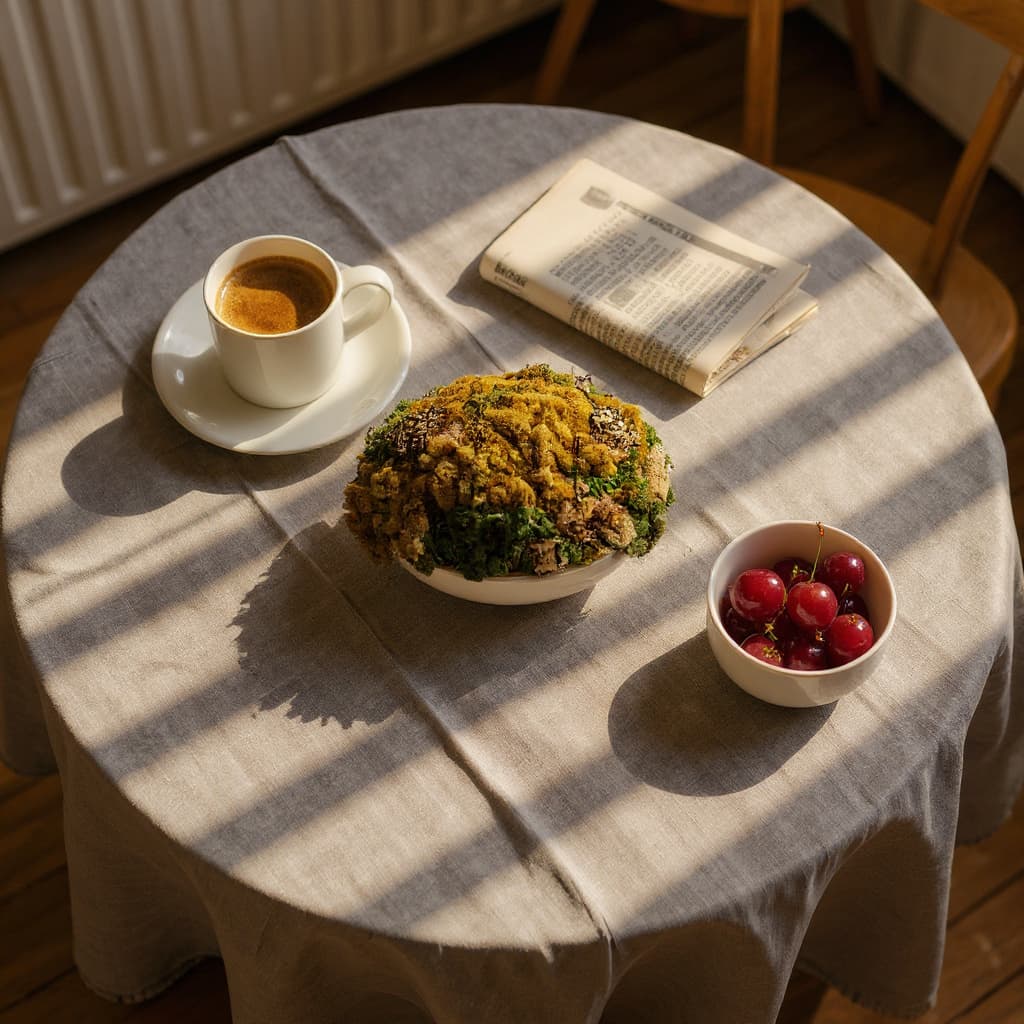
Moss is rarely the subject. It is usually the floor of someone else's arrangement. These pieces invert that and let moss compose itself, in mound, in cloud, in topiary, in landscape.

  • Humus
  • Wabi
  • Kakuriyo
  • Musubi
Gardens

05 / 05

Mixed registers held in a single vessel.

A garden is the most ancient of arrangements, and the most open to whatever belongs. These pieces gather flower and branch and pod and stone into one vessel and hold each register in formal relationship.

  • Ossuary
  • Perseids
  • Estuary

In rooms

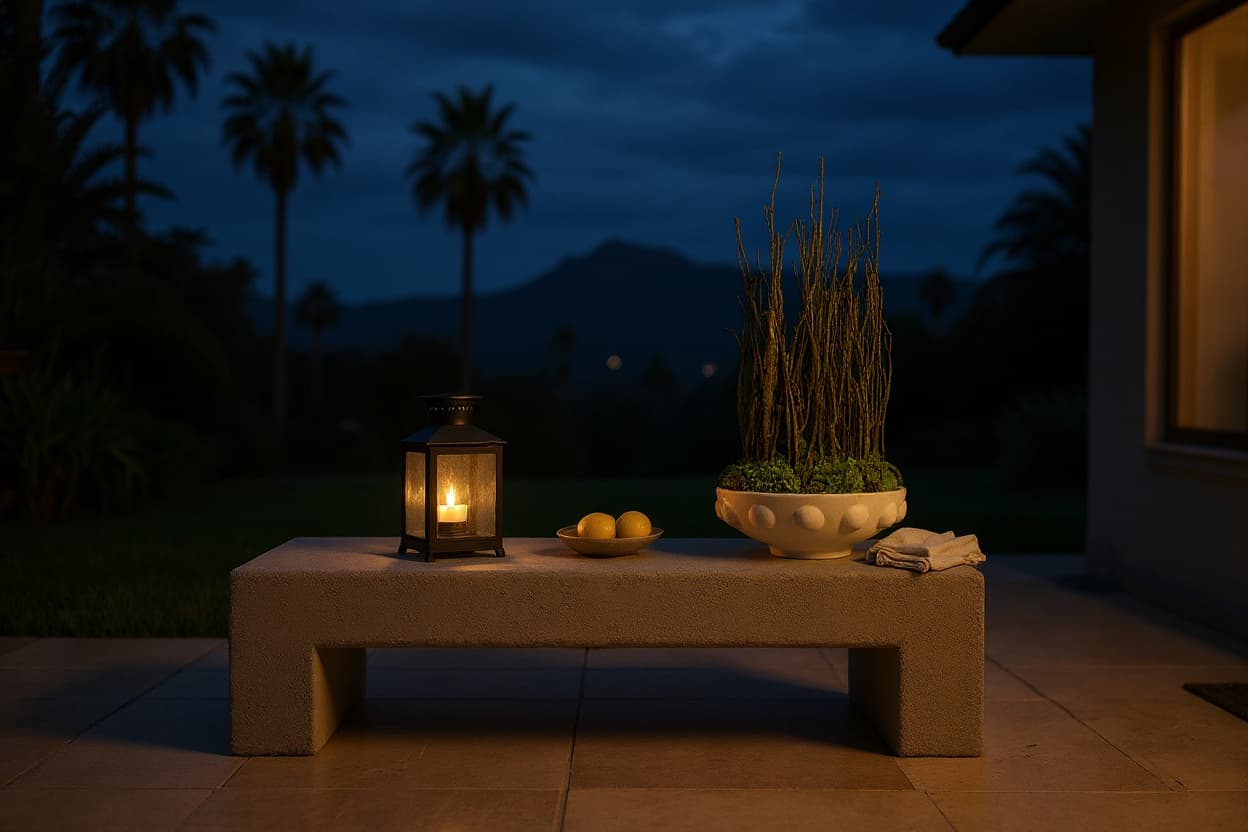
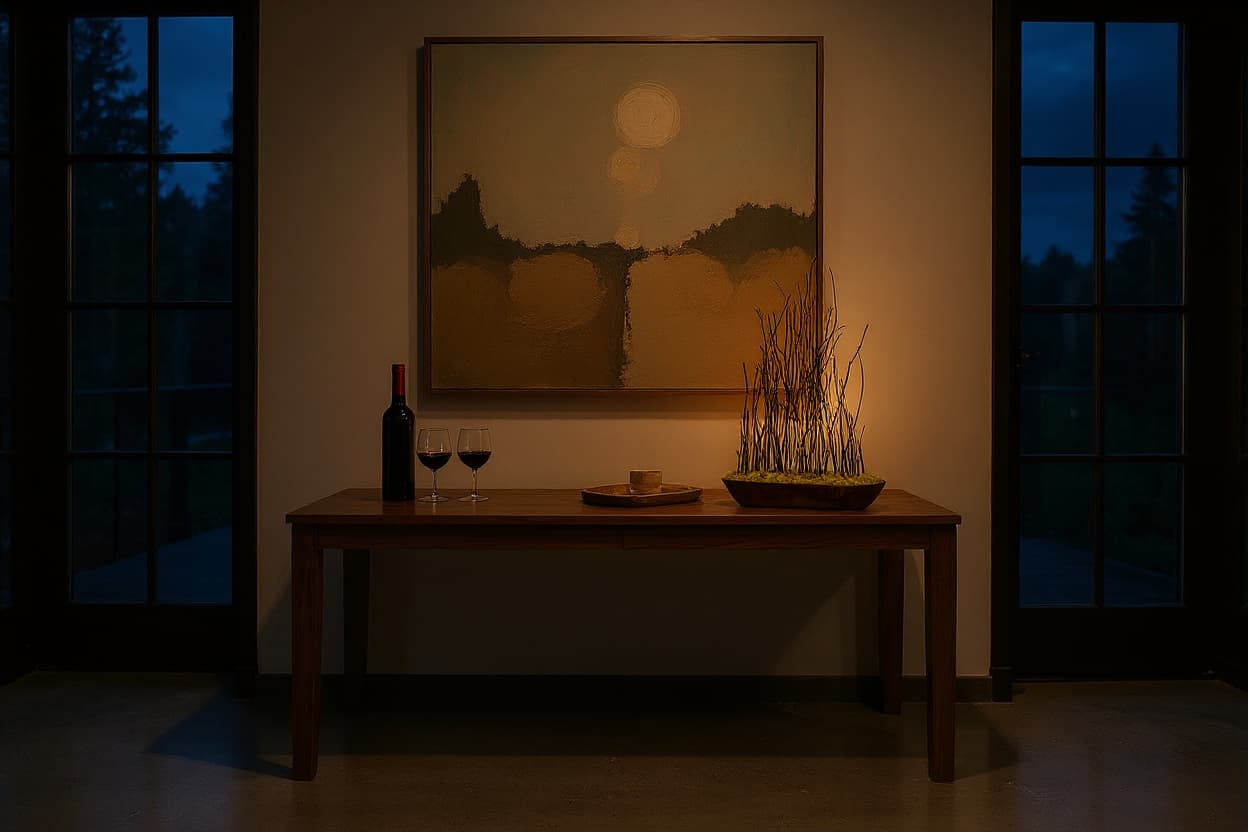
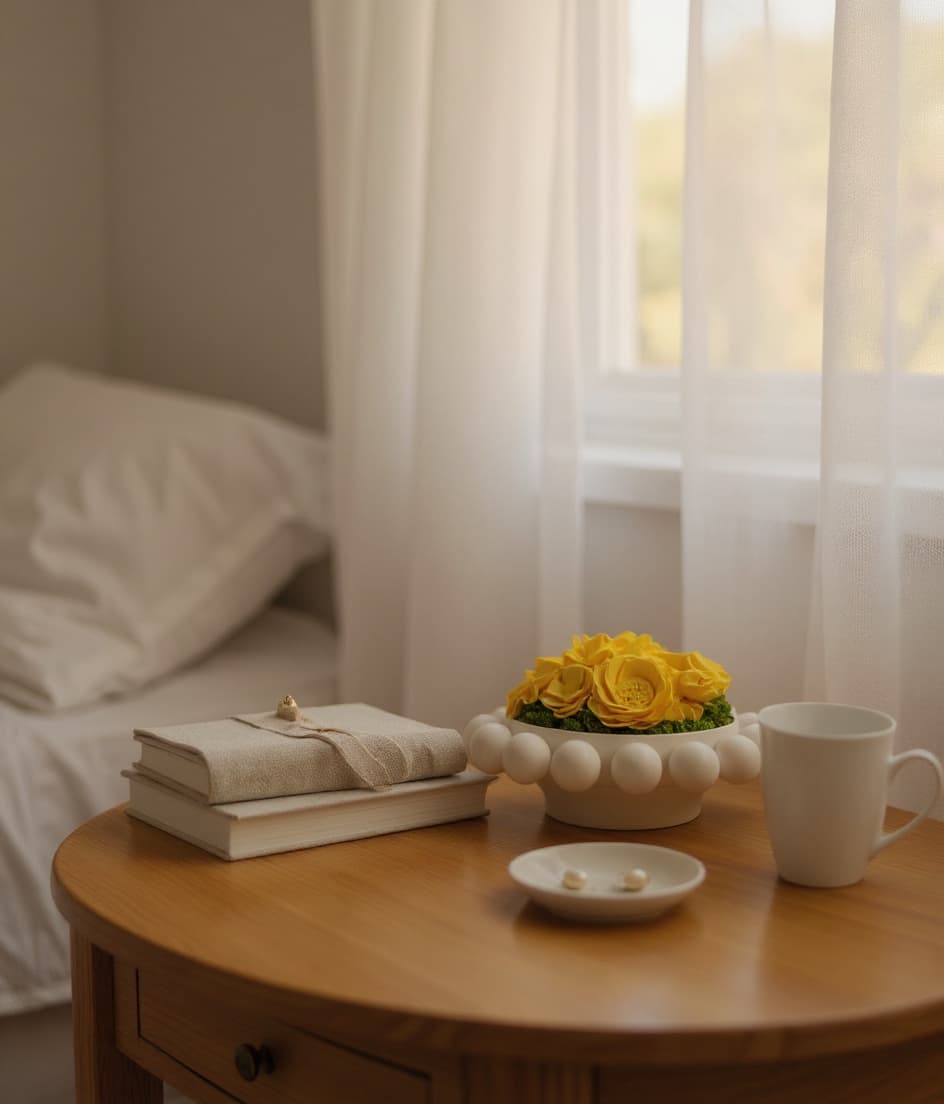
Where the work lives, once it has been chosen.

The artist

Stylist, curator, and collector of fallen things.

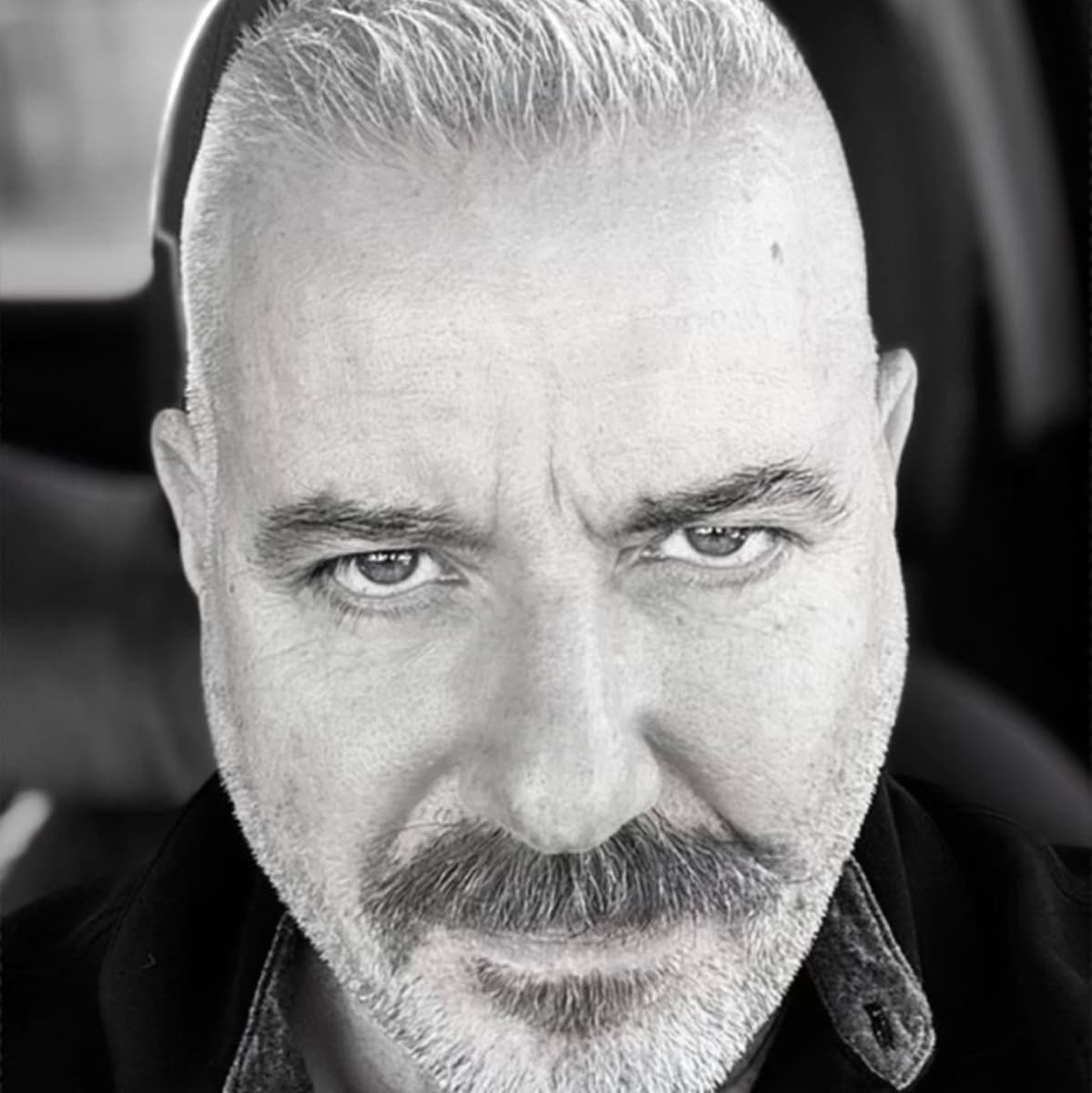
Edward Blee

Edward Blee was born and raised in Philadelphia. For decades, he worked as a stylist and later owner of Persona Salon in Boston, building a reputation as one of the city's leading stylists. During those same years, he designed and curated homes across Boston, Savannah, and now Palm Springs. He incorporated stumpery into these spaces from the beginning, sculptural arrangements of found and natural materials that lived in yards and rooms. Some were temporary. Some stayed.

What started as a recurring interest became something more focused. He collects obsessively now. He walks through the Coachella Valley and deserts. He picks through local dealers. Road trips across the country end with a car full of branches and driftwood and stone. The searching is part of it.

Onzai is the work itself. These pieces draw from stumpery and bonsai and flower arrangement, but they're not bound by any of those traditions. They exist in a state neither living nor dying. They need nothing from you. What he's after is proportion and formal relationship, the way different aesthetic languages sit together in miniature space. He's interested in scale and how it shifts what you're looking at.

Process

A piece is the patient end of three steady acts. Each begins where the previous one quieted.

I

Gather

We walk the desert and the canyons. What we bring back is what we find, a branch the wind shaped, a stone the rain wore, moss from a north-facing wall. The searching is part of the work.

II

Compose

Pieces sit in the studio until the formal relationship is right. A composition emerges slowly. Sometimes a single arrangement takes weeks. Proportion is the question, and the question takes a while.

III

Place

Each finished work is one of one. We deliver locally in Palm Springs when possible, and we crate carefully for those further afield. A piece is meant to live in a single room, for a long time.

Visit

For collectors in the Palm Springs area we welcome unhurried viewings. Write to us a few days in advance and we will set aside an hour.